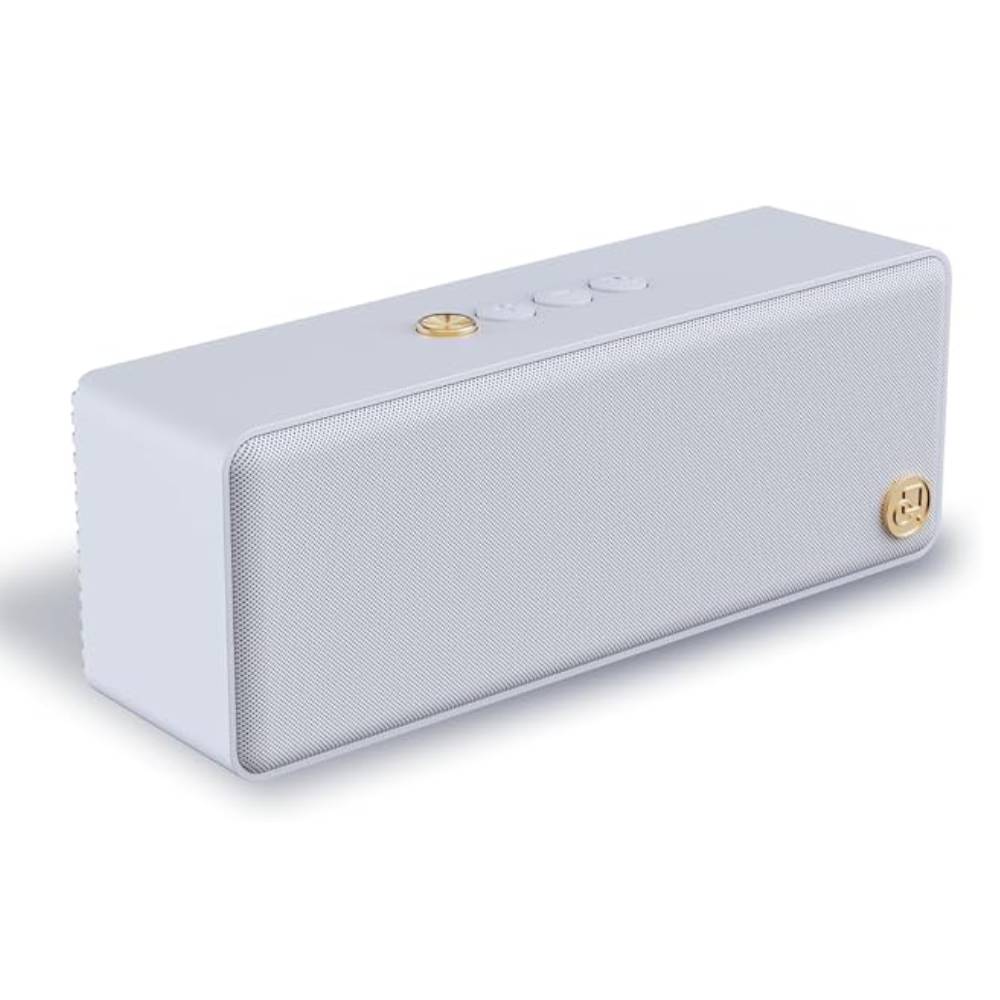
For musicians, producers, and serious learners, having the right tool at your fingertips makes all the difference and that’s where the 88 key MIDI controller shines.
Unlike compact or semi-weighted models, a full 88-key layout offers the complete piano range, allowing for more expressive dynamics, two-handed performance, and greater compositional flexibility. Whether you're layering orchestral strings, recording expressive piano parts, or triggering synths, this format delivers the space and control experienced players need.
And thanks to modern features like DAW integration, assignable controls, and smart MIDI mapping, today’s best 88-key controllers go far beyond basic note input; they're full-on production hubs.
In this guide, we’ll explore some of the best 88 key MIDI controller options for home studios and creative workflows from pro-grade gear with hammer-action keys to more affordable and even smart keyboard options for flexible, tech-savvy learning.
An 88 key MIDI controller looks like a full-sized digital piano but it doesn’t generate sound on its own. Instead, it acts as a controller for virtual instruments, sending MIDI data to your computer, tablet, or DAW (Digital Audio Workstation) where sound is produced through plugins, VSTs, or software synths.

88 keys replicate the full range of a traditional acoustic piano from the deepest bass to the highest treble notes. This range makes it ideal for:
For producers, it means you’re not limited to short, repetitive phrases; you can explore the full melodic and harmonic potential of your instrument in one seamless session.
Choosing between semi-weighted and fully weighted keybeds is essential based on your playing style:
Many of the best 88 key MIDI controller options now come with graded hammer-action or hybrid mechanisms, catering to players who want realism without giving up MIDI flexibility.

Whether you’re scoring a film, producing a track, or learning piano digitally, the right MIDI controller makes all the difference. Below are some of the top-rated 88 key MIDI controllers of 2026, each with unique strengths from fully weighted keybeds to smart tech integrations.
Known for its build quality and tight DAW integration, this controller is a favorite among serious producers.
For musicians deeply invested in Native Instruments’ ecosystem, this is the flagship controller.
This model offers full expressive play at a price that makes it accessible to home studios and learners.
If you’re on a budget but still want solid performance and decent key feel, this one stands out.
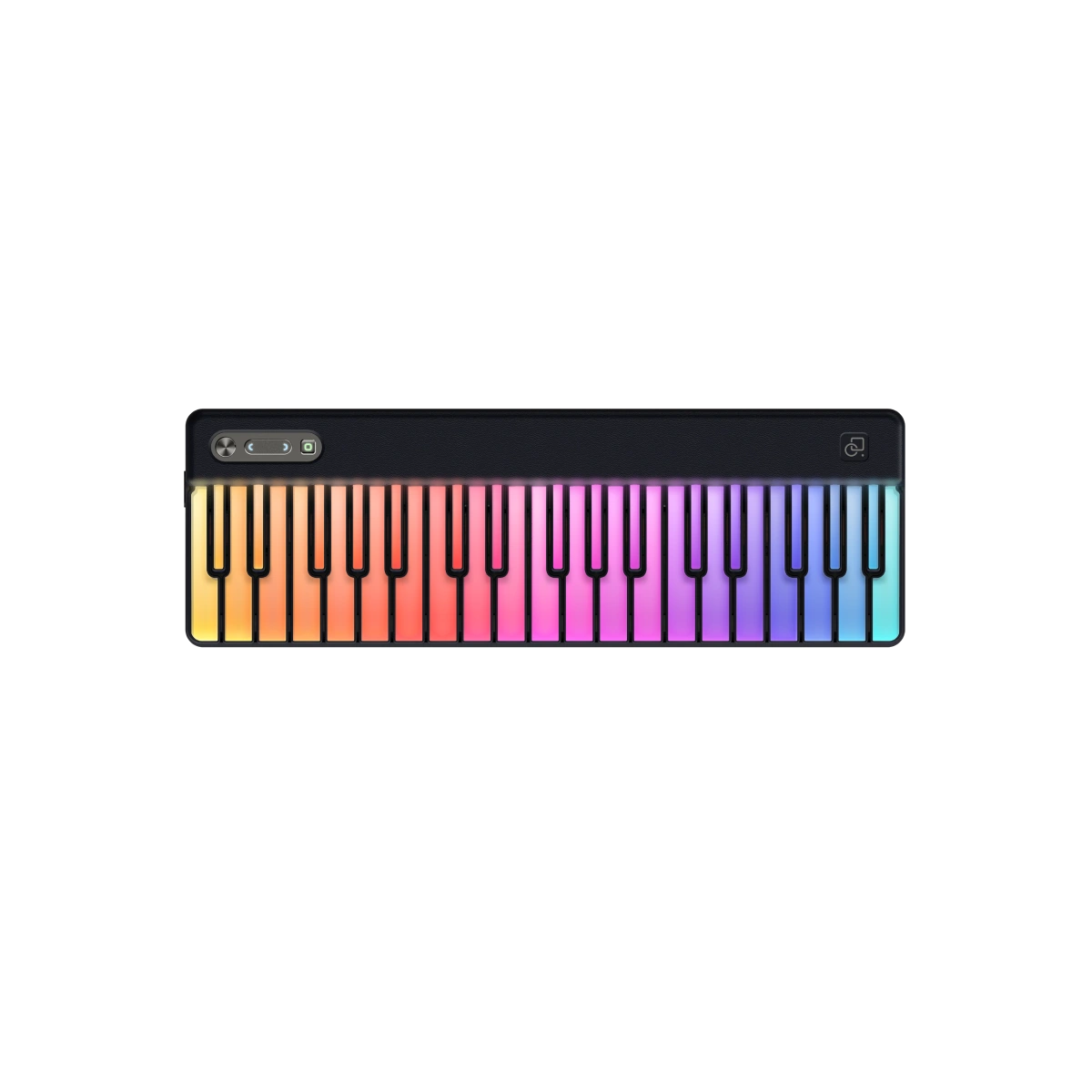
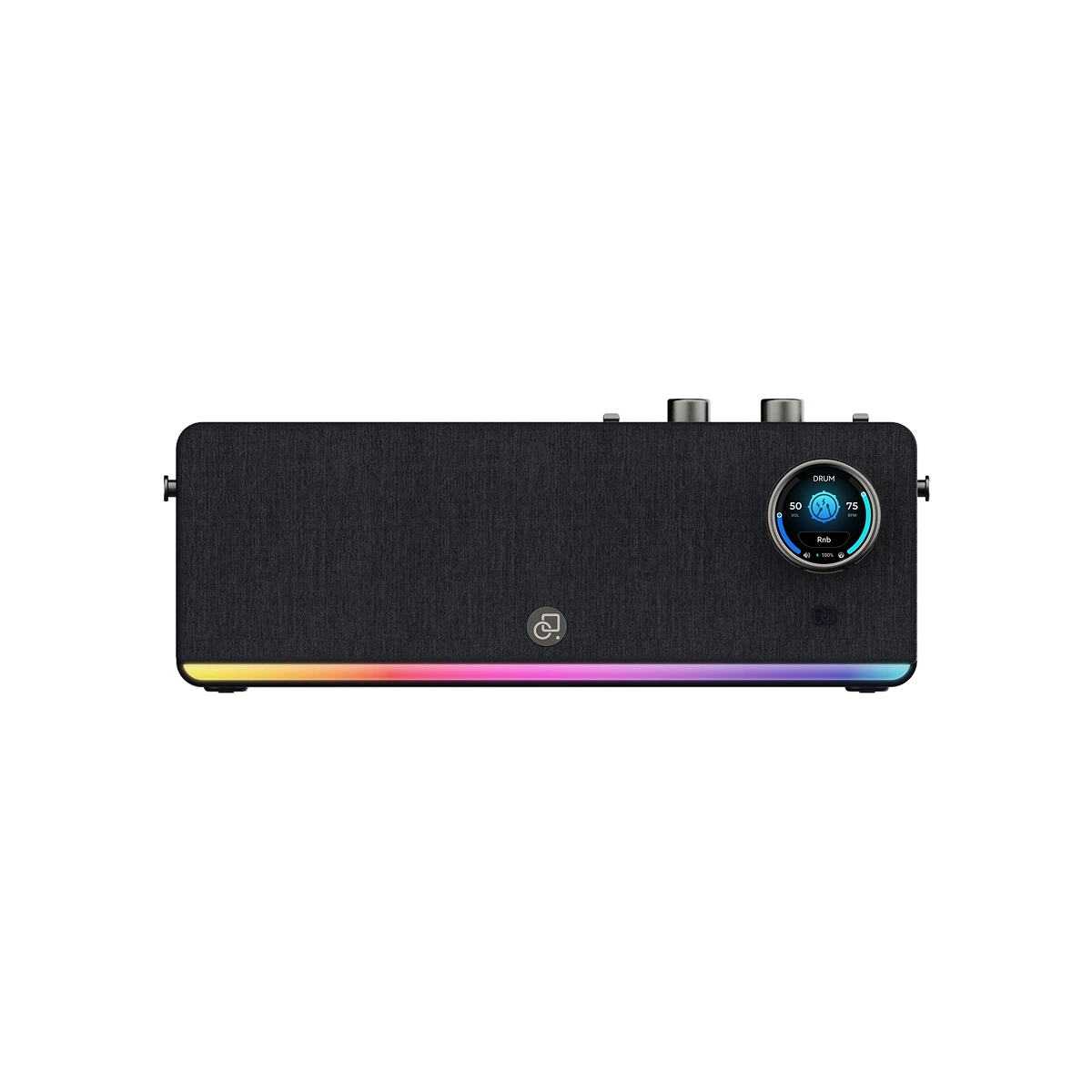
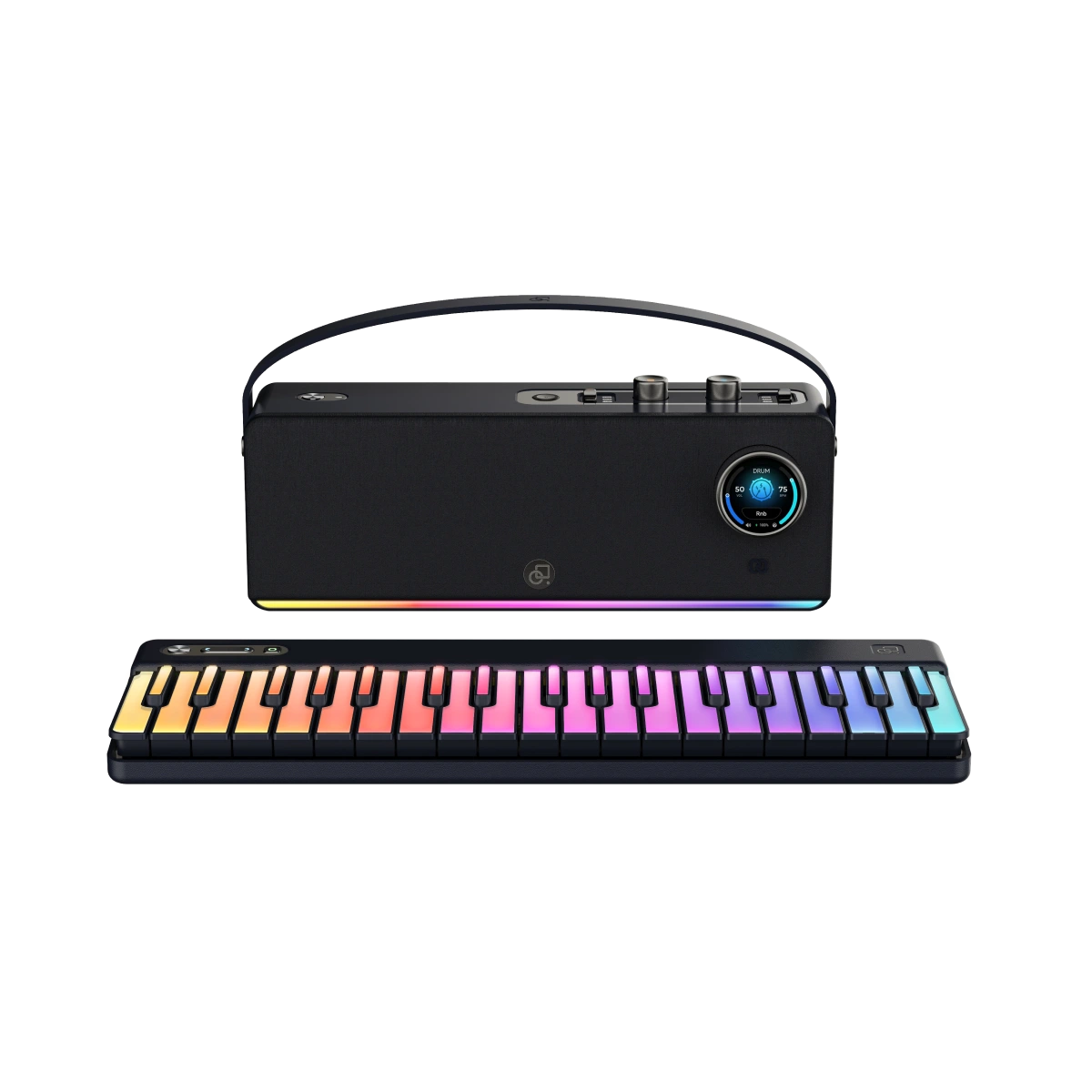
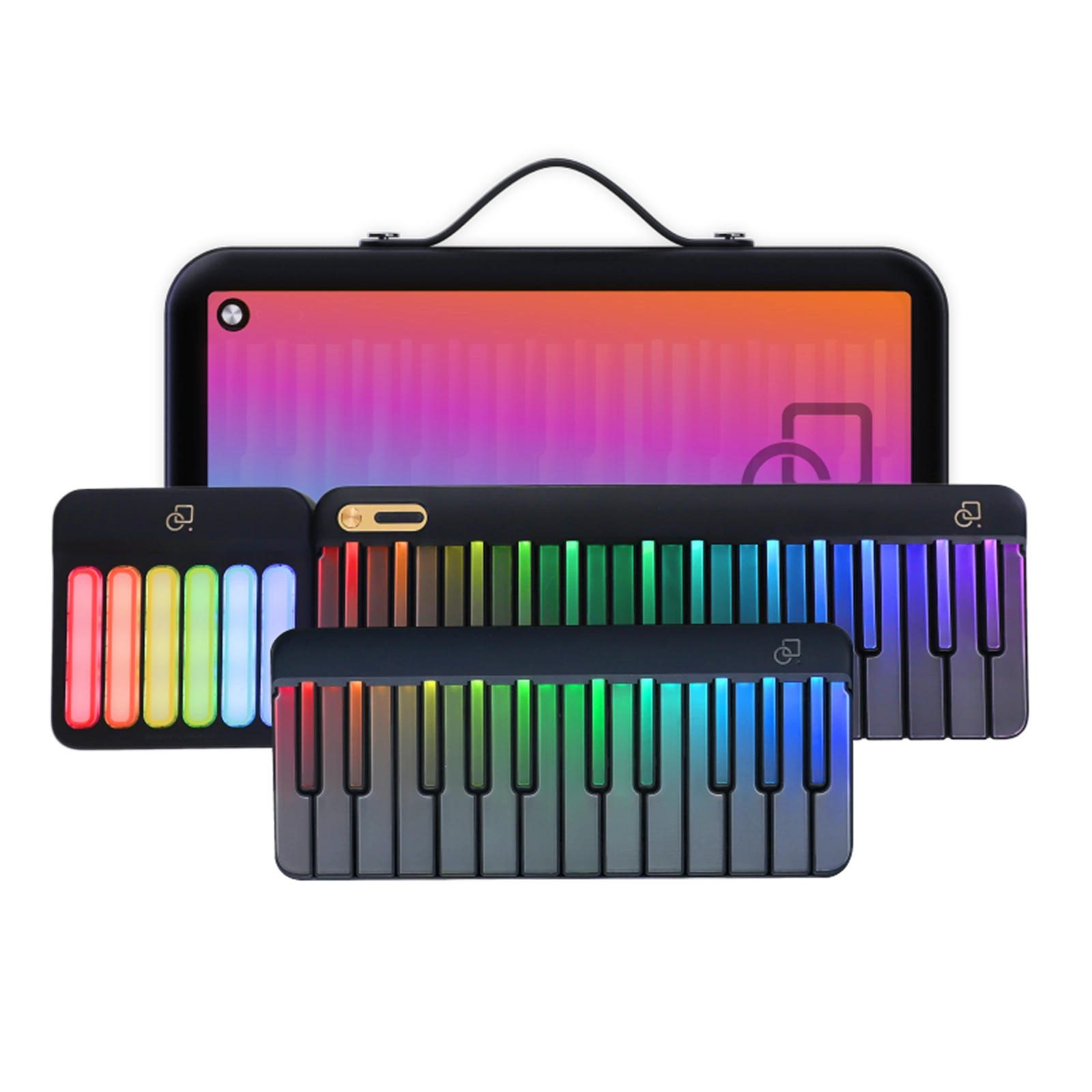
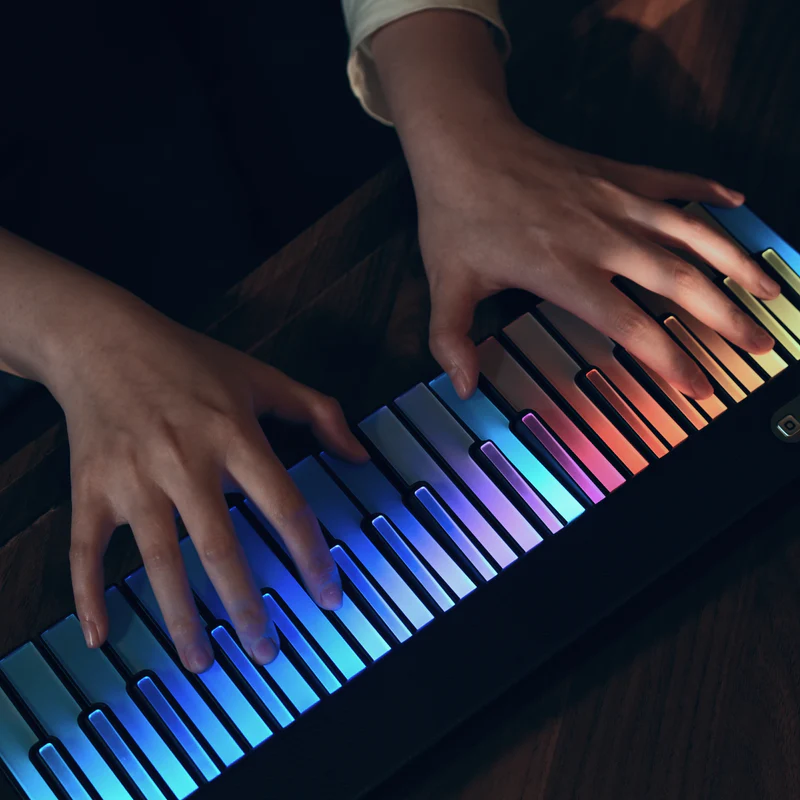
While not a traditional 88-key controller, PartyKeys modular smart keyboard design allows users to scale from compact play to full-range performance.
When shopping for an 88 key MIDI controller, one of the most important choices you’ll make is between fully weighted and semi-weighted keys. This decision affects not only how the instrument feels but how it performs across different genres and workflows.
An 88-key MIDI controller fully weighted replicates the feel of an acoustic piano. These keyboards use graded hammer-action mechanics to simulate the resistance of traditional keysheavier in the bass, lighter in the treble.
Best for:
Why choose it:
A semi-weighted MIDI controller 88 key still offers resistance, but with a lighter feel. These models use spring-loaded action, making the keys more responsive for rapid note input.
Best for:
Why choose it:

Not every musician needs 88 keys but for those who do, the benefits are hard to beat. A full-size MIDI controller 88 key layout offers expanded range, dynamic control, and space for expressive performance all of which make it an essential tool in certain creative environments.
When scoring cinematic pieces, emotion is everything. Film composers often rely on:
An 88 weighted key MIDI controller allows full expression across dynamic layers ideal for themes, cues, and multi-instrument layering.
Classically trained musicians moving into digital setups still want the feel and layout of a real piano.
88 keys allow:
Pairing a fully weighted MIDI controller with a high-end piano plugin creates a near-authentic experience.
Electronic and pop music creators benefit from:
While not all producers use all 88 keys every time, having the option enhances creative freedom especially in performance or arrangement modes.
For students learning piano outside of formal lessons:
This setup is often paired with smart keyboards or modular models like PartyKeys for mobile practice and feedback.
Not every learner needs all 88 keys at once, especially in the early stages. For mobile learners, smart keyboards with modular expandability and visual feedback tools can offer a scalable alternative. These tools blend:
Whether you're composing scores, performing live, or learning from scratch, an 88 key MIDI controller gives you the space and expression to grow. It’s not just about having more keys, it is about having the right tools to support your creativity, technique, and workflow.
From fully weighted controllers with pro-grade software integration to smart, modular options that blend play and learning, the best choice is one that fits your style and helps you stay inspired.
Most 88 key MIDI controllers need a computer, tablet, or external sound module to generate sound since they don’t include built-in speakers. However, some models support standalone use with mobile apps or hardware synths when connected via USB or Bluetooth MIDI.
Fully weighted keys provide greater dynamic control and a more authentic piano feel. They’re ideal for expressive recordings, especially with piano or orchestral VSTs. That said, semi-weighted 88-key MIDI controllers can still deliver solid results for lighter playing styles or synth-focused workflows.
Controllers like the Nektar Impact LX88+ or Alesis Q88 are known for being lightweight and budget-friendly. They sacrifice full hammer action for portability, making them great choices for mobile producers or gigging musicians.
Yes, many smart keyboards with Bluetooth or USB MIDI functionality can double as controllers for DAWs and virtual instruments. While they might not have 88 keys, they’re perfect for beginners or visual learners who want a hybrid between learning and production.
Aftertouch is a useful feature for advanced expression, allowing control over vibrato or modulation with pressure. While helpful for synth or cinematic scoring, it’s not essential for beginners. Focus instead on key feel and learning support when starting out.
Yes. Many modern controllers support USB-C or Bluetooth MIDI, allowing connection to tablets or smartphones for apps like GarageBand, FL Studio Mobile, or other virtual instruments.
Not necessarily. Producers often use 25–61 keys for synth lines or beats, but 88 keys are useful for full-range piano parts, orchestral layers, or advanced compositions.
Most controllers work with major DAWs like Ableton Live, Logic Pro, Cubase, FL Studio, and Pro Tools. Some come pre-mapped for easy integration, while others allow manual mapping.
Very important. Velocity sensitivity lets your playing dynamics translate into software, giving softer or harder notes depending on touch, essential for expressive piano or orchestral parts.
Read more

Best Cheap Keyboard Piano Picks for Beginners That Don’t Feel Cheap
Starting your piano journey doesn’t have to mean draining your savings. Many beginners/kids, students, and adults alike want to explore music without committing to a big investment up front. The go...
How Many Keys on a Piano Keyboard?
Warm Guide to Every Size—from 25 to 102 (and a Modular Surprise Ever stared at a smart keyboard and wondered, “Hang on, how many notes do these little rectangles give me?” Two seconds later, you’re...