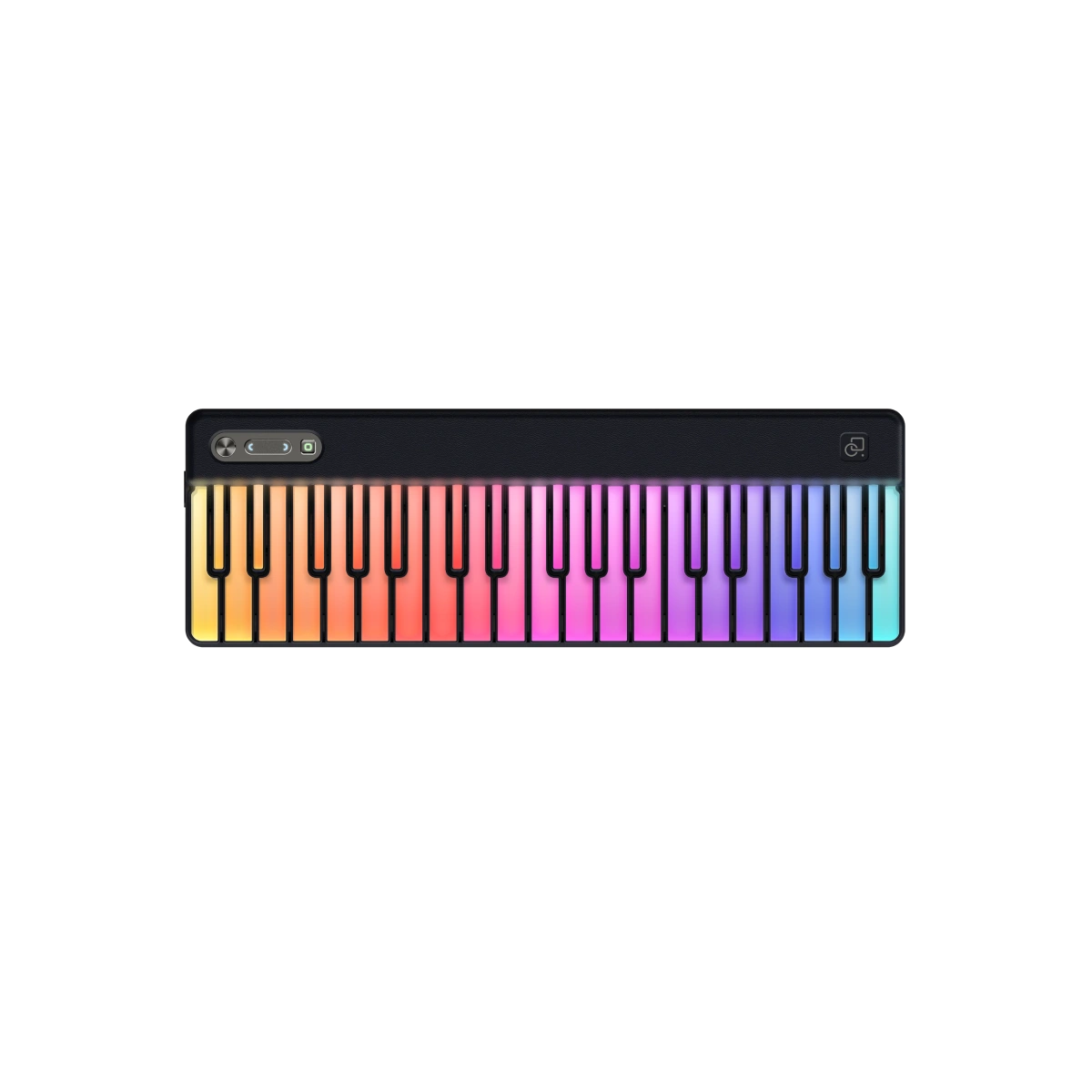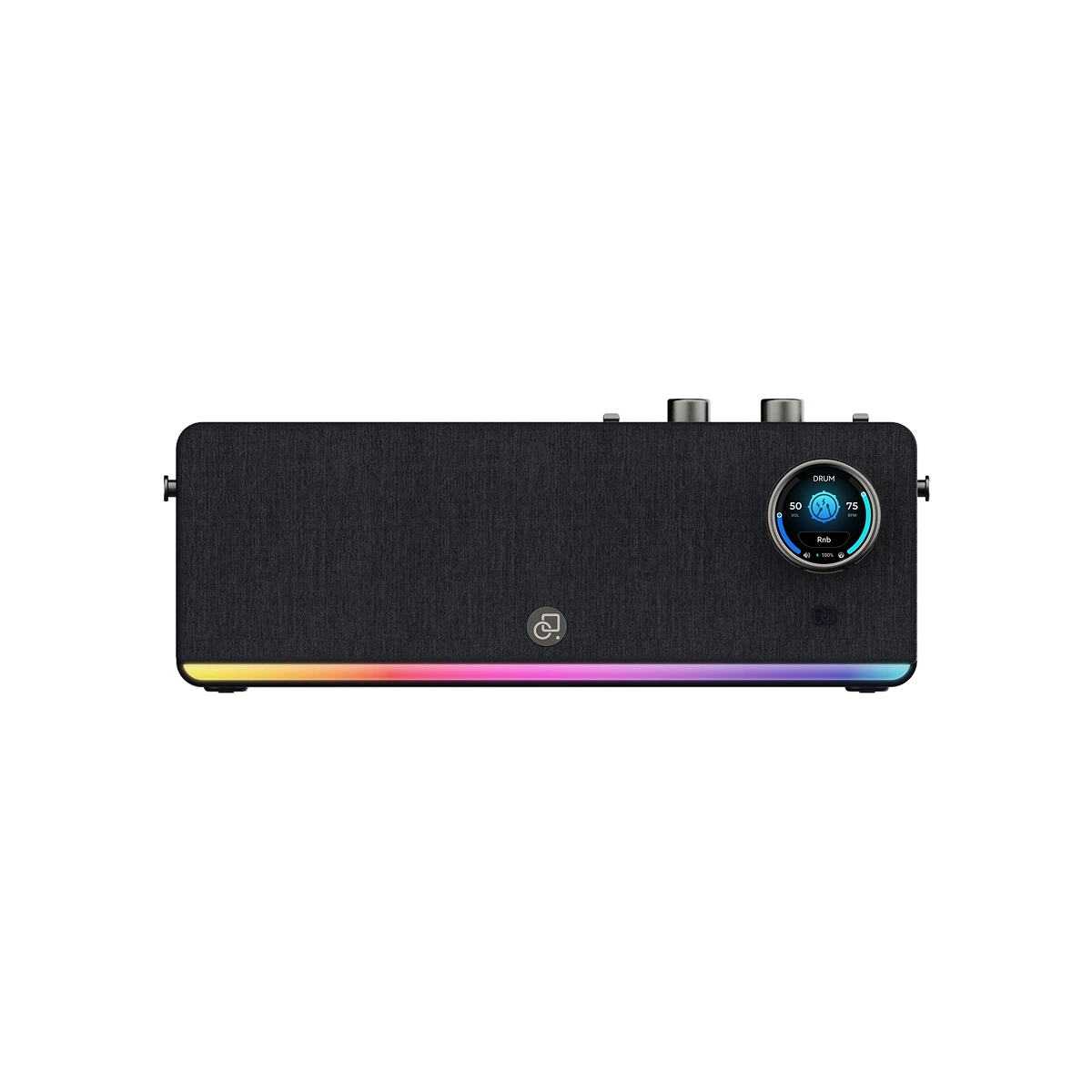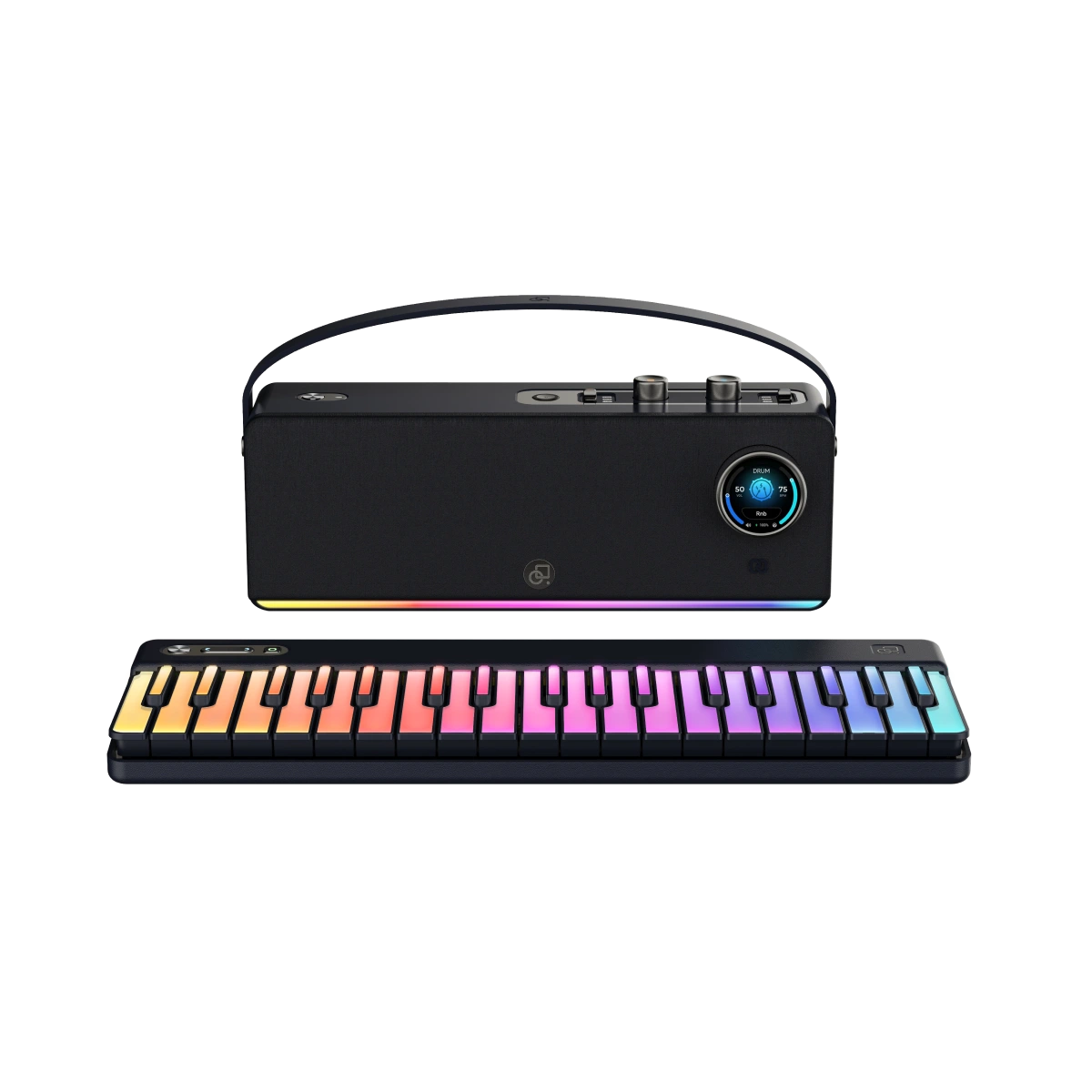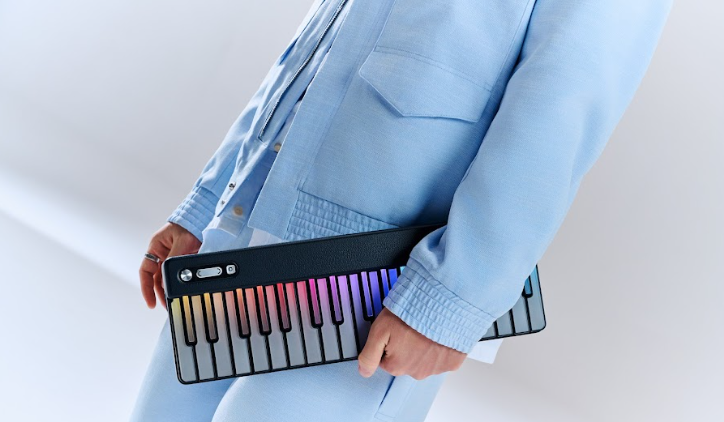
Learning to play the piano or create music digitally can be overwhelming with so many options. A common question among beginners is whether to start with a keyboard piano or a synthesizer.
This guide explains the key differences, helping you choose the instrument that suits your learning style, budget, and musical goals. We'll also cover keyboard synthesizers for beginners, including models like the Smart Keyboard.
A keyboard piano is essentially a portable piano. Key features include:

A synthesizer generates sound electronically, often with more flexibility than a traditional piano. Key aspects:
|
Feature |
Keyboard Piano |
Synthesizer |
|
Sound |
Acoustic-style piano sounds |
Electronic, programmable sounds |
|
Keys |
Weighted or semi-weighted |
Usually synth-action, lighter |
|
Learning curve |
Beginner-friendly |
Slightly steeper for sound design |
|
Purpose |
Piano practice, performance |
Music production, electronic music |
|
Connectivity |
Headphones, USB, Bluetooth |
MIDI, USB, DAWs |

A keyboard synthesizer combines features of both instruments:
When choosing between a keyboard piano and synthesizer, consider:
|
Model |
Keys |
Features |
Price Range |
|
PartyKeys Smart Keyboard |
61 |
Light-up keys, app integration |
$250–$350 |
|
Casio LK-S250 |
61 |
Lighted keys, Step-Up lesson system |
$200–$300 |
|
Yamaha PSS-F30 |
37 |
Mini keys, built-in songs |
$100–$150 |
|
Model |
Keys |
Features |
Price Range |
|
Korg Minilogue XD |
37 |
Analog sounds, sequencer |
$500–$600 |
|
Novation Bass Station II |
25 |
Synth-focused sounds, MIDI |
$400–$500 |
|
Arturia MicroFreak |
37 |
Hybrid digital/analog, touch keyboard |
$350–$450 |
Ask yourself these questions:

Modern smart keyboards and synthesizers often support apps that make learning easier:
When choosing your first instrument, consider where you’ll practice:
One advantage of synthesizers over keyboard pianos is sound variety:
Consider what you want to do with your instrument beyond learning:
Your budget can influence which option is best:
For beginners, a keyboard piano is ideal if your goal is learning piano fundamentals, while a synthesizer suits those focused on electronic music production. A keyboard synthesizer, like the PartyKeys Smart Keyboard, offers a flexible solution for learners who want both worlds.
Yes, but the lack of weighted keys may limit finger strength development. Beginners often start with a smart keyboard or piano.
It can be used, but weighted keys and piano-focused sounds are better for classical repertoire.
Absolutely. Synths are designed for creating, shaping, and sequencing electronic sounds in a DAW.
A 61-key smart keyboard is enough to start learning scales, chords, and simple songs.
Yes, many smart keyboards can connect via USB or Bluetooth to DAWs, giving basic MIDI control.
Yes and no. Synthesizers can be slightly more complex due to sound design options, but beginners can still learn basic melodies and scales using presets or guided apps.
Yes. Many keyboard pianos, especially smart keyboards, include synth sounds and can connect to DAWs, making them suitable for simple electronic music production.
Weighted keys help build finger strength and dynamic control, but beginners can still start on semi-weighted or synth-action keys and transition to weighted keyboards later.
Not necessarily. Entry-level hybrid smart keyboards often cost $250–$350, offering piano feel and synth features at a beginner-friendly price.
Read more

Smart Keyboard vs MIDI Controller for Learners
Learning music today involves choices between traditional keyboards, smart keyboards, and MIDI controllers. Understanding the differences between a smart keyboard vs MIDI controller is crucial for ...

How to Connect a Smart Keyboard to Android/iPhone via Bluetooth MIDI
Learning to play piano has never been more interactive, thanks to Bluetooth MIDI technology. Whether you’re using an Android or iPhone, connecting a smart keyboard like the PartyKeys Smart Keyboard...