Warm Guide to Every Size—from 25 to 102 (and a Modular Surprise Ever stared at a smart keyboard and wondered, “Hang on, how many notes do these little rectangles give me?” Two seconds later, you’re counting white‑black‑white only to lose track somewhere around the high G. Been there.
Truth is, the answer isn’t one‑size‑fits‑all. The classic acoustic grand offers one number, stage keyboards another, and clever modular options yet another. Let’s pull the lid off the myth, peek at the history, and help you choose the right key count for your hands and goals.
Most full‑size acoustic pianos carry 88 keys—52 white plus 36 black. Seven full octaves plus a cheeky little extra.
Yet that’s just the headline. To see why 88 became the gold standard (and why plenty of modern boards swerve it), we need a tiny trip back in time.

Bartolomeo Cristofori’s first hammer‑action keyboard in 1700 sported only 49 keys—four octaves. Composers kept demanding thunderous lows and sparkling highs, so builders stretched the range: 60 keys, then 76, and finally Steinway’s 88‑key Model D in the 1880s set the benchmark touring pianists could rely on worldwide.
Why not keep adding? Ears start to blur pitches beyond the edges, strings get longer (and pricier), and concert‑hall stages only grow so deep. 88 turned out to be the sweet spot between musical ambition and practical wood, iron, and cash.
Knowing that pattern means you can hop onto any board—88 or 28—find middle C in a blink, and play.
A few boutique builders said, “Neat, but let’s go further.”
Life isn’t all concert halls. Apartments are cosy, wallets have limits, and music tech keeps shrinking.
|
Key count |
Typical use case |
Pros |
Trade‑offs |
|
76 |
Serious hobbyists, gigging pop players |
Nearly full range, lighter |
Low bass A0–B0 missing |
|
61 |
Portable arrangers, school bands |
Fits on dorm desks |
Two octaves trimmed |
|
49 / 25 |
MIDI controllers, beat‑makers |
Backpack‑friendly, cheap |
Need octave‑shift buttons |
So if you’re producing EDM in a bedroom studio, a 25‑key pad may feel perfect. Writing Liszt etudes? Stick with 88.

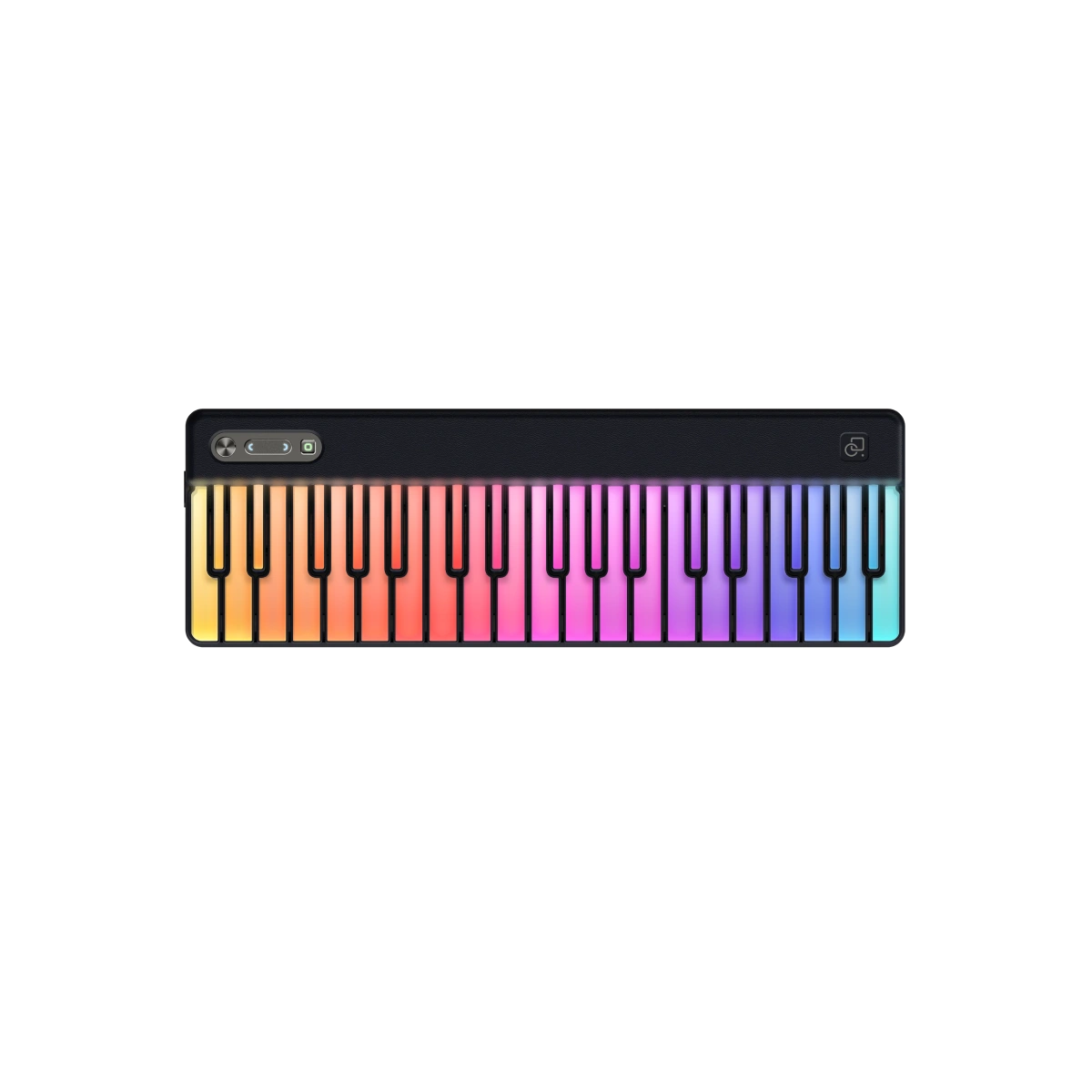
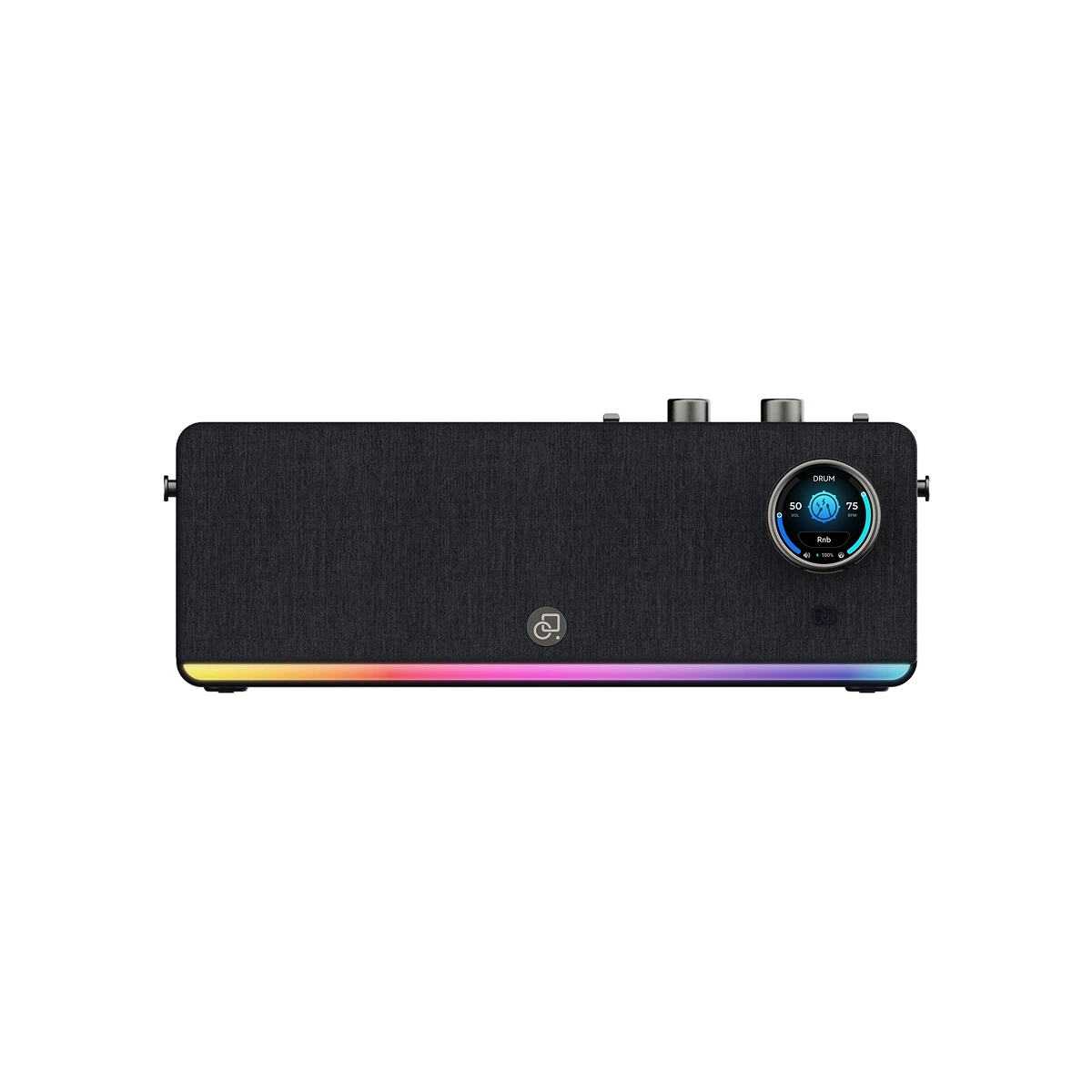
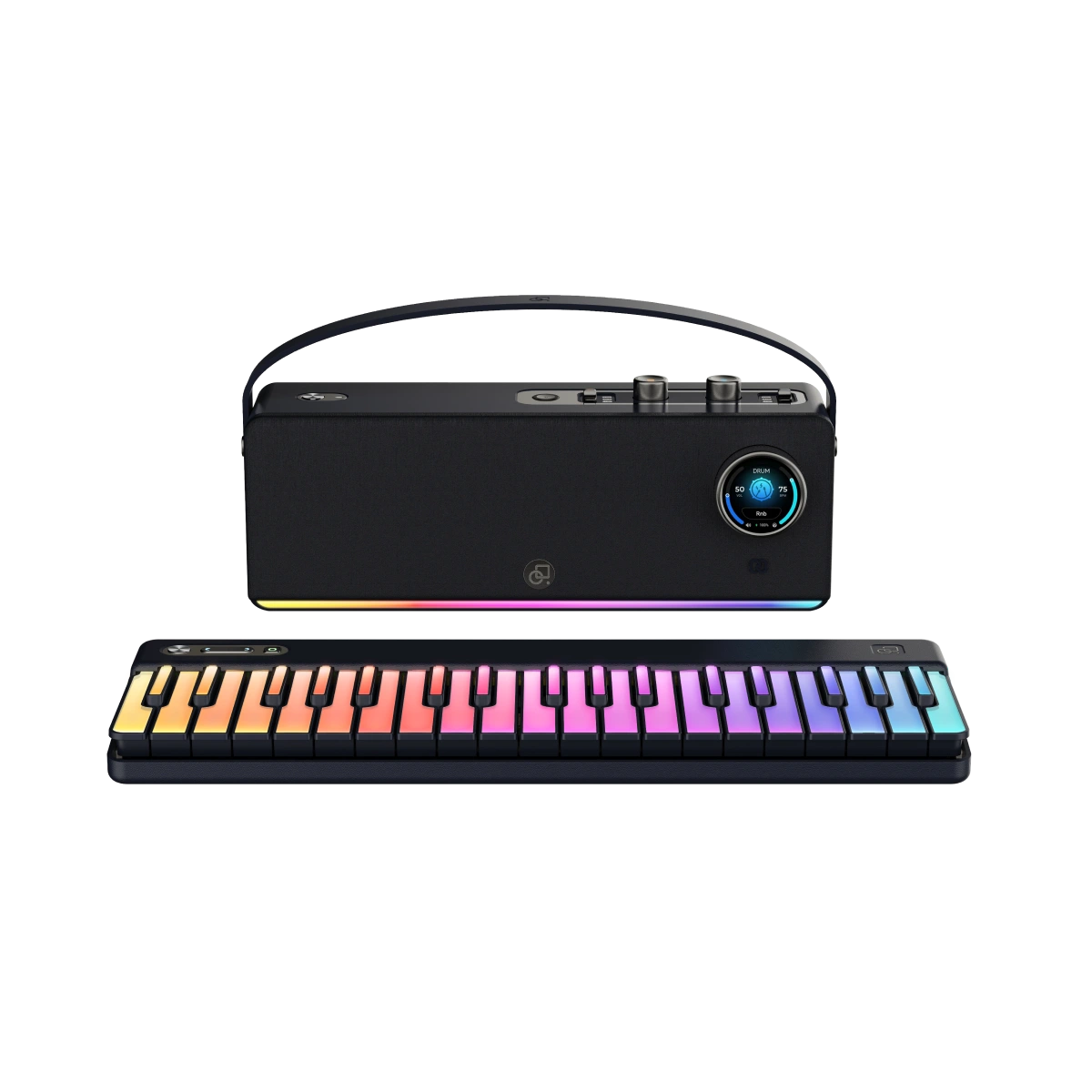
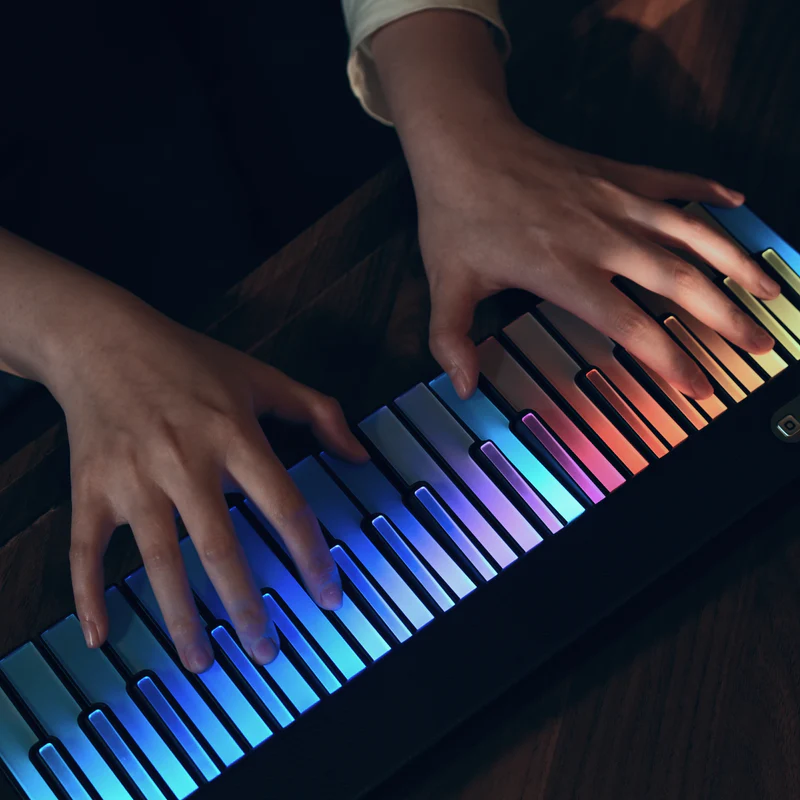
Maybe you’d like something even more flexible—enter the Smart Keyboard. Think Lego for pianists:
Pretty neat. And if you ever outgrow 53 keys, you haven’t sunk grand‑piano money—just expand or move up.
Keyboards differ almost as much as key counts:
Choose the feel that makes you eager to practice every day; your fingers will thank you.
Honestly, yes—at least for the first year. Most method books stay within five octaves. When you hit advanced repertoire with elephant‑stomp bass or glass‑shattering treble, that’s upgrade time.
A quick self‑check:

Do that once on your board and the mystery’s gone. And if you’re on PopuPiano, the LEDs practically whisper the answers.
Playing Rachmaninoff’s Second Concerto on a 61‑key arranger? You’ll hit a wall. Arranging indie‑pop covers for YouTube? No sweat.
Rule of thumb: let the music you plan to play dictate the key count you buy—not the other way around.
An 88‑key digital can weigh 50 lb. Add a hard case, and your spine’s filing complaints. A 29‑key PartyKeys module slips in a backpack under 2 lb and costs less than a single tuning session on a grand. Trade‑offs, always.
Ask yourself:
Music isn’t about ticking key‑count boxes; it’s about the grin you flash when a chord finally blooms under your fingertips. Whether that happens on a majestic 9‑foot concert grand or a light‑up PartyKeys resting on your coffee table is totally up to you.
Pick the range that matches your stage of the journey, let those notes ring, and—if you lose count again—just start with middle C and keep climbing. And. Keep playing.
88 keys balance range and practicality—covering seven full octaves plus a minor third. It provides enough notes for classical, jazz, and pop repertoire without making the instrument excessively large or expensive.
Yes. 61 keys are sufficient for beginners and most pop/rock songs. You’ll only need 88 keys when tackling full classical concertos or pieces requiring extreme bass or treble notes.
76 keys provide nearly full range for most music while being lighter and more portable. You miss a few of the lowest bass notes (A0–B0), which are rarely needed for casual playing.
Mostly yes. 25-key keyboards are compact and portable, ideal for electronic music production, MIDI control, and basic practice. They often require octave-shift buttons to access the full pitch range.
A modular keyboard starts with a smaller base (like 29 keys) and lets you snap on extension modules to increase key count (up to 53 keys in PartyKeys). It’s flexible, portable, and great for growing musicians.
Weighted or semi-weighted keys help develop proper finger strength and control, which is important if you plan to transition to a full 88-key piano later.
Find a group of two black keys, identify the leftmost white key as C, then count C-D-E-F-G-A-B until the pattern repeats. This works for any size keyboard.
You can play simple classical pieces, but shorter keyboards (25–61 keys) limit the range, making full concertos or bass-heavy compositions impossible without octave shifts.
Yes. Full-size keys are ideal for developing proper technique, but slightly narrower keys, like on PartyKeys, help younger players with smaller hands avoid strain while learning.
Read more

Top 88 Key MIDI Controller Picks for Music Creators and Home Studios
For musicians, producers, and serious learners, having the right tool at your fingertips makes all the difference and that’s where the 88 key MIDI controller shines. Unlike compact or semi-weighted...

Learning Piano as an Adult in 2025: A Warm, Real‑World Guide to Your First 12 Months
You’ve always wanted to sit down at a piano and let your hands wander into something beautiful. Maybe last week’s viral clip of a sixty‑year‑old beginner nailing “Clair de Lune” finally pushed you ...