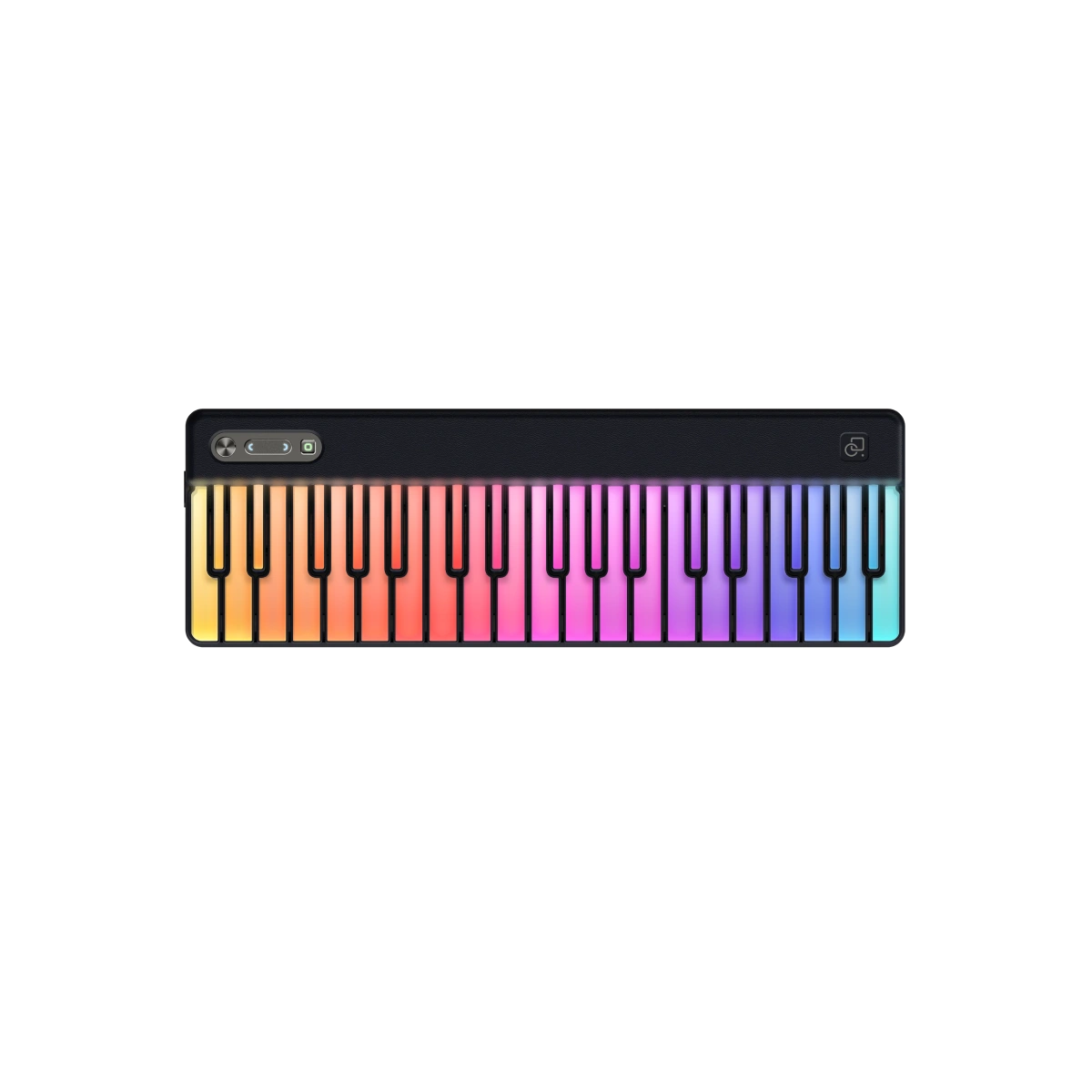
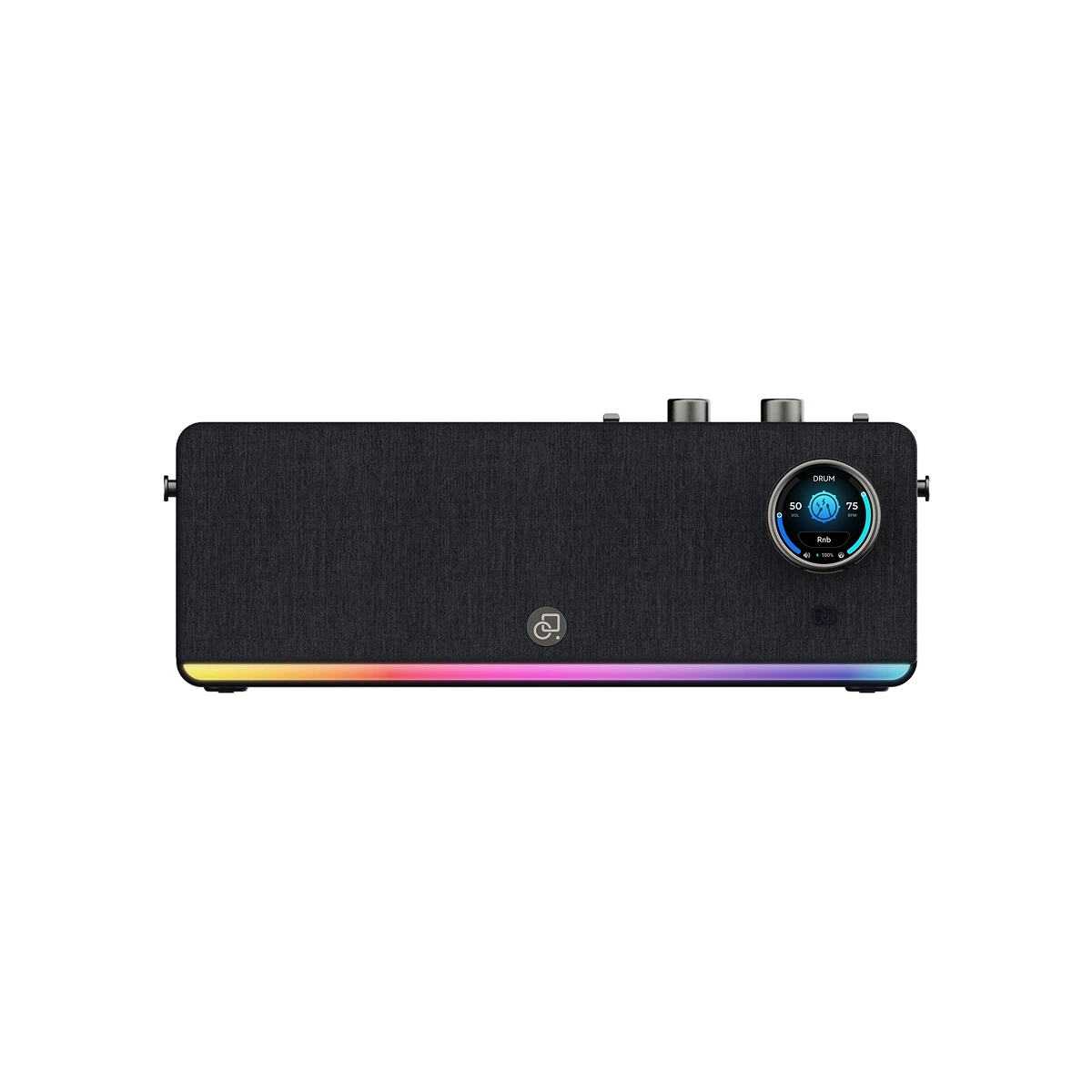
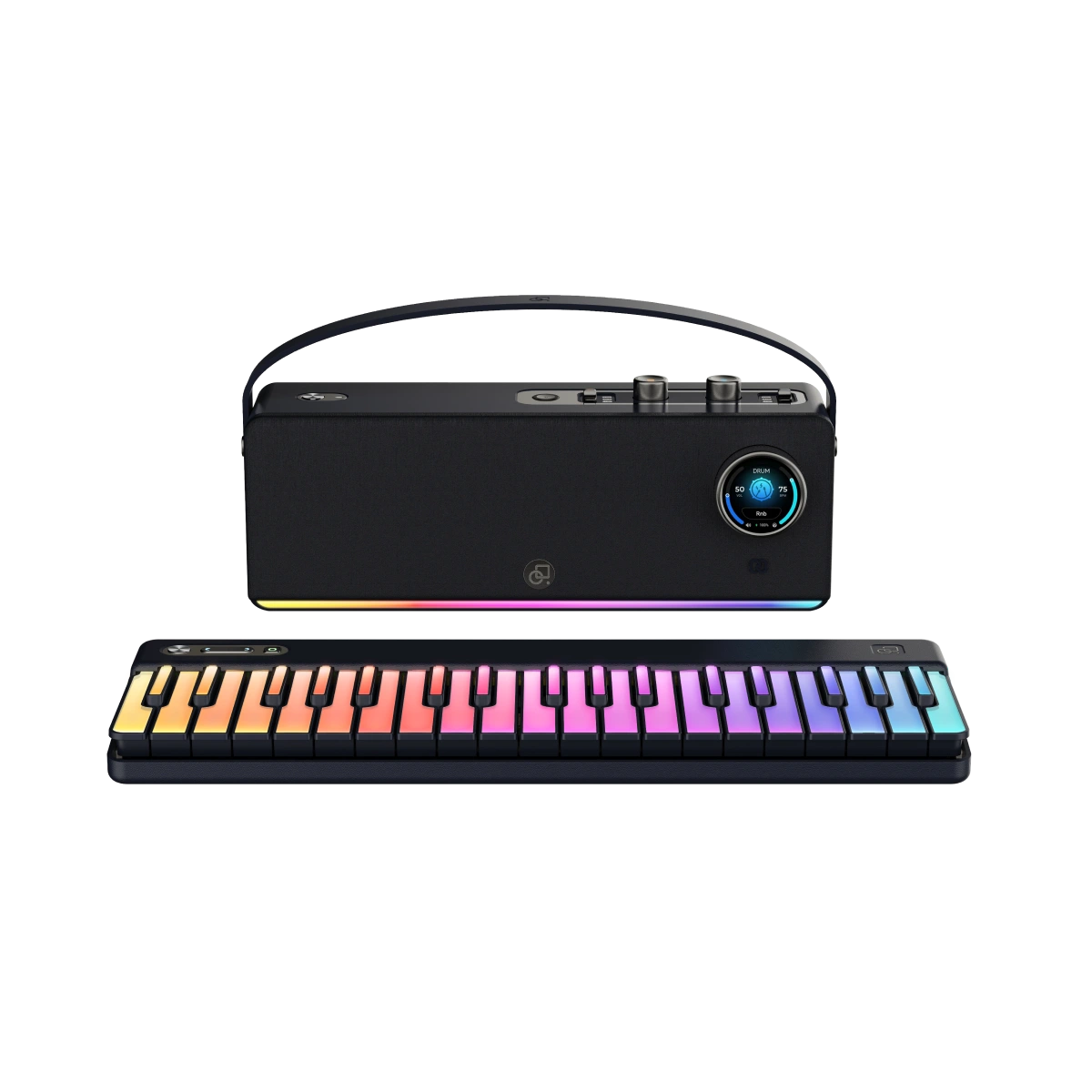
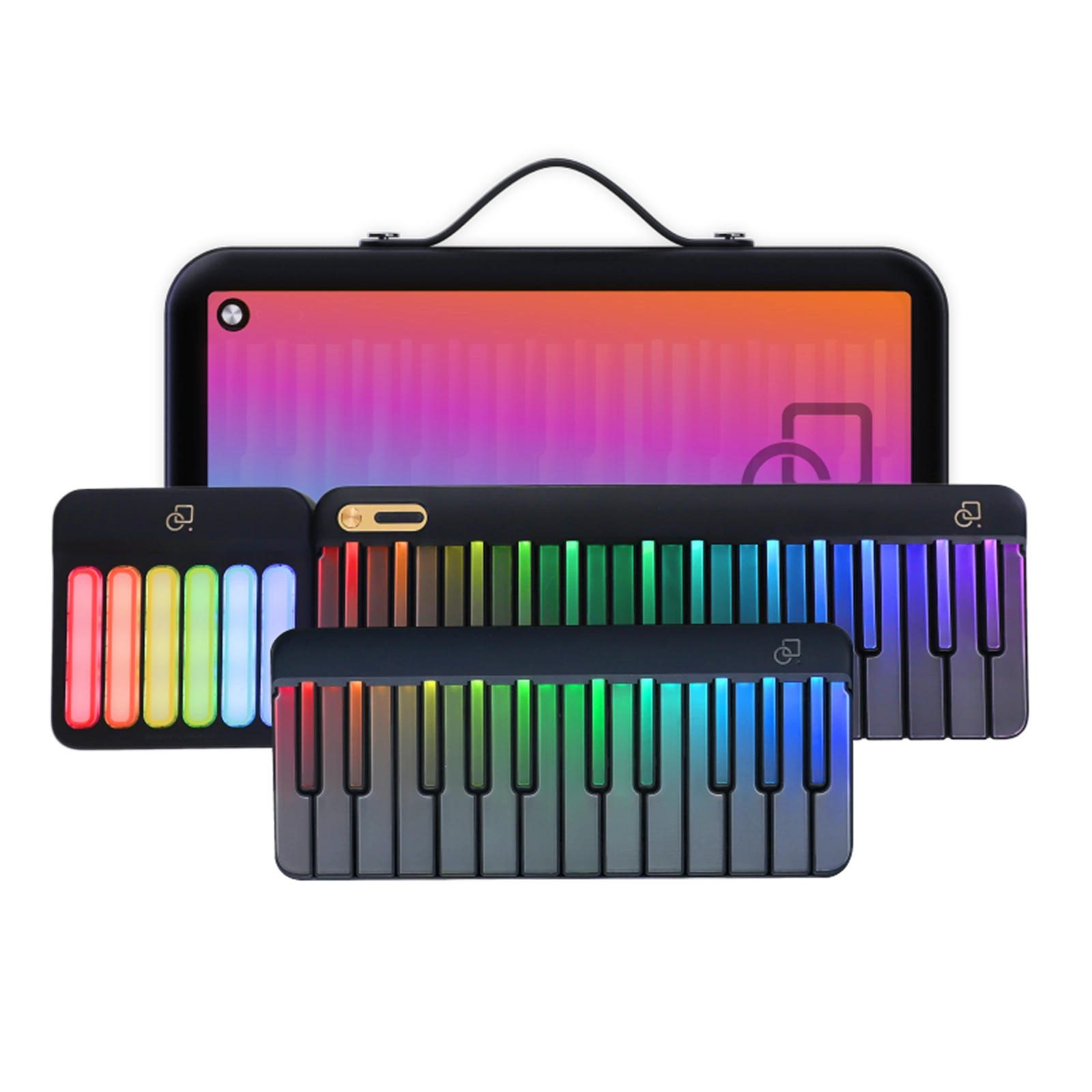
Choosing the right connection for your smart piano keyboard can make a huge difference in your playing experience. Whether you’re a beginner learning at home or an advanced player recording music, understanding Bluetooth vs USB keyboard piano helps you optimize your setup.
In this guide, we’ll explore the pros, cons, and practical tips for both connections, so you can decide what works best for your style, space, and gear. You’ll also discover how a flexible keyboard like the Smart Keyboard can give you the best of both worlds.
Bluetooth-enabled keyboards connect wirelessly to tablets, computers, and smartphones. They send MIDI signals over Bluetooth, allowing your device to interpret the notes you play.
Advantages of Bluetooth:
Limitations:
Example: When using a tablet with a Bluetooth piano keyboard, the lights on the keys can sync with the app for guided learning, making practice interactive and fun.

A USB connection uses a cable to link your smart piano keyboard to a computer or device. It’s the most direct form of digital communication.
Advantages of USB:
Considerations:
Latency refers to the slight delay between pressing a key and hearing the sound.
Tip: If your goal is recording or live performance, USB ensures the tightest timing and accuracy.

Portability insight: A Bluetooth keyboard allows you to practice anywhere without being tethered to a laptop or outlet, making it ideal for students and mobile musicians.

While both Bluetooth and USB transmit MIDI data rather than audio, latency and connection stability can impact your perception of sound when playing through apps or software instruments.
Tip: Pair your Bluetooth keyboard with high-quality piano apps for better sound response.
Bluetooth keyboards require internal battery power, unlike USB keyboards that often draw power from the computer. Understanding battery management helps you avoid interruptions:
Hybrid keyboards like the Smart Keyboard let you switch between Bluetooth for casual use and USB for recording or live setups.
Modern smart piano keyboards often need to connect to multiple devices:
Tip: If you switch between mobile practice and desktop DAWs, a keyboard with both options saves time.
Both Bluetooth and USB have unique advantages. Your choice depends on your practice style, performance needs, and setup. Bluetooth is excellent for mobile, casual use, while USB is ideal for recording and low-latency performance.
For a versatile option, consider the PartyKeys Smart Keyboard, which supports both Bluetooth and USB connections, giving you freedom to practice, record, and perform in any environment.
Bluetooth is wireless and portable, but slightly slower. USB is wired, faster, and more reliable for recording.
Yes, but latency may be noticeable in complex or fast passages. USB is preferred for professional recording.
Most USB keyboards draw power from the computer, but some models still require external power.
For casual practice, it’s usually imperceptible. Advanced users may notice it during recording or live performance.
Yes. Keyboards like the PartyKeys Smart Keyboard offer both Bluetooth and USB for maximum flexibility.
Yes, many tablets and smartphones support USB-MIDI with an OTG (On-The-Go) adapter. This allows direct, low-latency connection for apps.
Yes, continuous Bluetooth use consumes more power. Using wired USB for long sessions or having a fully charged battery helps avoid interruptions.
Most keyboards connect to one device at a time. Switching devices requires re-pairing, though some models remember previous connections.
For latency-sensitive tasks like recording or live performance, yes. Bluetooth is generally fine for casual practice but may occasionally drop or lag in crowded wireless environments.
Read more

Light‑Up Keys vs Screen‑Guided Learning: Which Helps Faster?
Learning piano has never been more interactive. Modern smart piano keyboards like the Smart Keyboard give beginners multiple ways to practice, from lighted keys that guide your fingers, to screen-g...

Portable Keyboard vs Stage Piano for Home Practice
Choosing the right piano for home practice can be tricky. Should you go for a portable keyboard or invest in a stage piano? Each has unique strengths, depending on your space, playing style, and lo...