Skip to content
Best Foldable Piano Keyboards (Carry‑On Friendly)
Nov 1, 20255 min read

Best Foldable Piano Keyboards (Carry‑On Friendly)

Whether you’re a traveling musician, a student with limited space, or a beginner who wants flexibility, a folding piano keyboard can be a game-changer. In this guide, we’ll explore the best folding piano keyboard options, practical tips for choosing one, setup advice, and how to care for your instrument. By the end, you’ll have everything you need to pick the right portable keyboard and start playing anywhere, anytime.

Many folding keyboards today combine portability with advanced features, so you don’t have to sacrifice quality for convenience. We’ll also highlight the PartyKeys Smart Keyboard as a versatile option for beginners and seasoned players alike.

Why Choose a Folding Piano Keyboard?

Folding keyboards are perfect for:

  • Portability: Lightweight and compact, easy to pack in a carry-on bag.
  • Practice Anywhere: Play at home, in a studio, or on the go.
  • Space-Saving: Ideal for apartments, dorms, or travel.

Unlike traditional keyboards, foldable models often integrate flexible silicone keys or modular designs, making them durable for travel without compromising the feel.

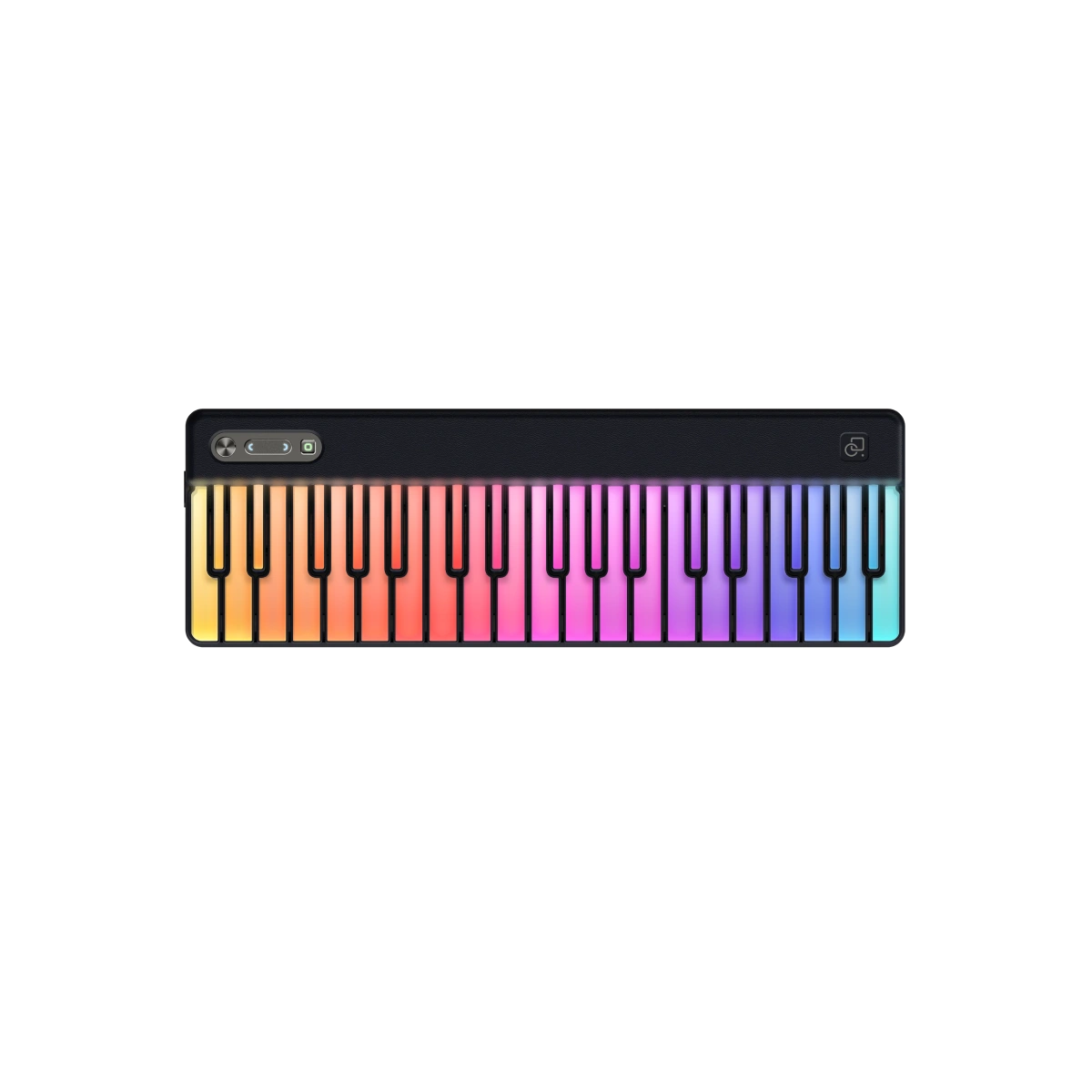
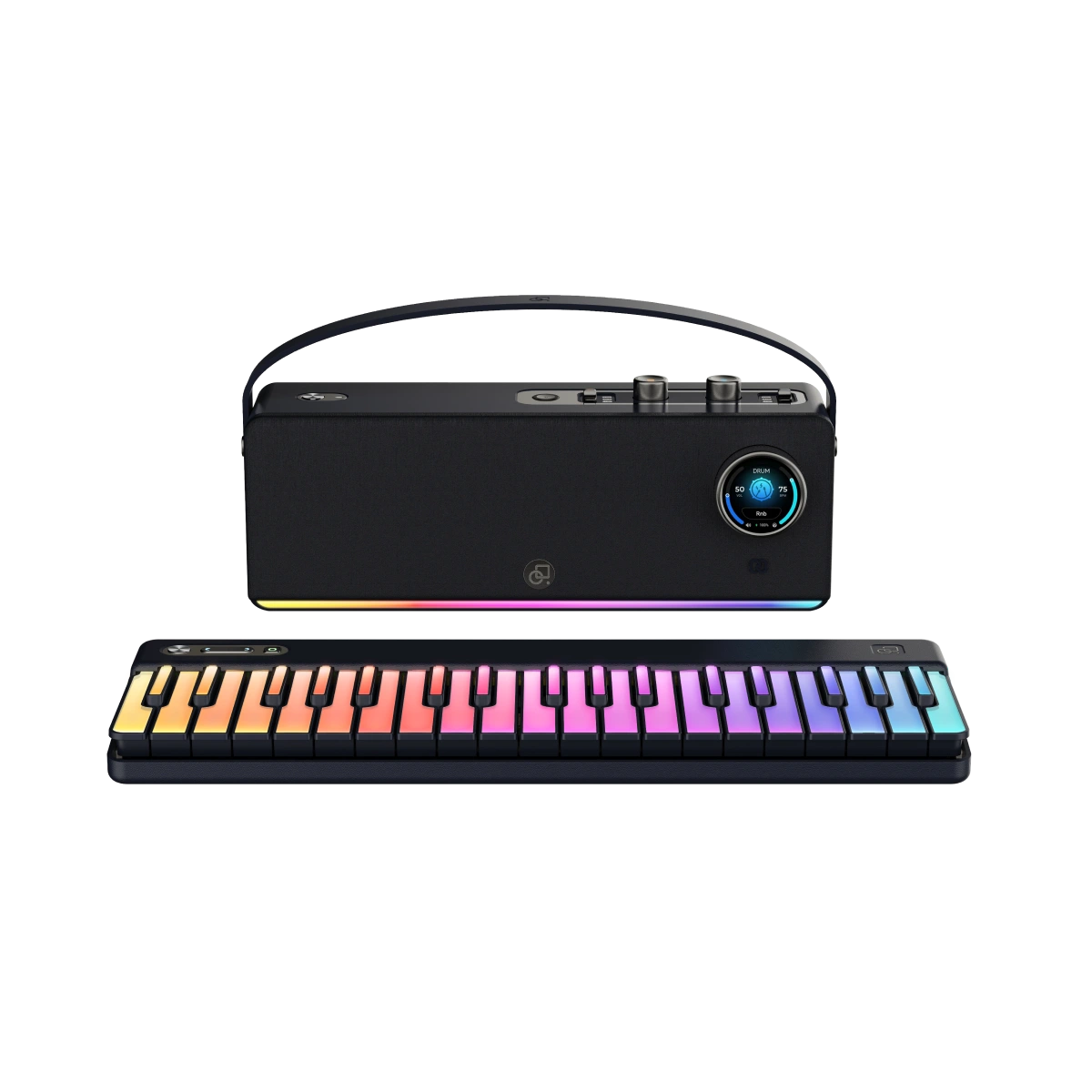
For example, the PartyKeys Smart Keyboard uses a foldable, modular design to make practice intuitive and convenient for beginners.

Top Features to Look for in a Folding Keyboard Piano

When selecting a best folding keyboard piano, consider these key features:

  1. Key Count & Layout: Standard keyboards have 61–88 keys, but portable versions may have fewer. Make sure the layout suits your skill level.
  2. Touch Sensitivity: Responsive keys simulate real piano dynamics.
  3. Connectivity: MIDI, USB, or Bluetooth compatibility allows integration with digital audio workstations (DAWs) like Ableton or Logic (Ableton Wiki).
  4. Sound Quality: Built-in speakers vary in fidelity—check reviews for real-world audio.
  5. Learning Features: Some folding keyboards, like the PartyKeys, use LED-guided lessons to teach songs quickly.
  6. Power Options: Battery-powered or USB-powered keyboards add travel flexibility.

Best Folding Piano Keyboard Options

Here’s a curated selection of top foldable keyboards:

PartyKeys Smart Keyboard

  • Who it’s for: Beginners, kids, or creators wanting gamified learning.
  • Key features:
  • LED-guided keys for easier learning.
  • Modular 29-key design, expandable with 24-key extension.
  • AI-powered composition tools.
  • Why it stands out: Combines portability with smart learning tools.
  • Learn more about PartyKeys

Alesis Harmony 32

    • Who it’s for: Travel musicians who need a super-compact option.
    • Key features: 32 velocity-sensitive keys, battery-powered, lightweight.
    • Pros: Ultra-portable, easy to pack in a backpack.
    • Cons: Limited keys and functionality compared to full-size keyboards.

    Roland GO:KEYS 61

    • Who it’s for: Musicians who want full-size keys with travel convenience.
    • Key features: Bluetooth audio, 61 keys, hundreds of sounds.
    • Pros: Excellent sound quality and feel.
    • Cons: Not foldable, but lightweight for travel.

    Lix Foldable Keyboard

    • Who it’s for: Minimalists and travelers.
    • Key features: Foldable silicone keys, USB rechargeable.
    • Pros: Extremely portable, splash-resistant.
    • Cons: Key feel is less realistic than traditional keyboards.

    How to Choose the Right Folding Keyboard

    Ask yourself these questions:

    • Skill level: Beginners may benefit from guided learning keyboards like the PartyKeys, while advanced players may prioritize key count and touch sensitivity.
    • Portability needs: Are you traveling daily, or just need a compact home solution?
    • Integration: Will you connect it to music software for composition?

    Quick Tip: A foldable keyboard with at least 49 keys strikes a good balance between portability and playable range.

    Setup & Maintenance Tips

    Proper setup and care prolong the life of your folding piano:

    1. Unfold Carefully: Avoid bending keys beyond their intended range.
    2. Power Options: Use the recommended batteries or USB power to prevent damage.
    3. Cleaning: Wipe keys with a soft, dry cloth. Avoid liquids directly on electronics.
    4. Storage: Keep folded when not in use; store in a padded bag for travel.

    Comparison Table: Top Folding Keyboards

    Keyboard

    Keys

    Portability

    Learning Features

    Price Range

    PartyKeys Smart

    29+24

    High

    LED-guided, AI composition

    $$

    Alesis Harmony 32

    32

    Very High

    None

    $

    Roland GO:KEYS 61

    61

    Moderate

    Basic lesson mode

    $$$

    Lix Foldable

    49

    Very High

    None

    $

    Tips for Practicing on a Foldable Keyboard

    Practicing on a portable keyboard can be different from a full-sized piano. Keep these tips in mind:

    • Focus on Finger Placement: Smaller or foldable keys may feel different, so pay attention to your finger positioning.
    • Use a Metronome: Many foldable keyboards include built-in metronomes—use them to develop timing and rhythm.
    • Short, Frequent Sessions: Portable keyboards are great for quick practice bursts on the go, which can improve retention.

    Best Accessories for Foldable Keyboards

    Enhance your folding keyboard experience with these accessories:

    • Carrying Case: Protects your keyboard during travel.
    • Portable Stand: Keeps the keyboard at a comfortable height.
    • Sustain Pedal: Adds expression and realism to your playing.
    • Headphones: Ideal for quiet practice in shared spaces.

    Adding a few accessories can transform your portable keyboard into a full-featured practice setup.

    Pros and Cons of Foldable Keyboards

    Before making a purchase, weigh the advantages and limitations:

    Pros:

    • Lightweight and easy to carry
    • Space-saving design
    • Often battery or USB-powered for flexibility
    • Some models include learning features for beginners

    Cons:

    • Key feel may differ from acoustic pianos
    • Limited key count compared to full-size keyboards
    • Sound quality may be lower than larger models

    Understanding the trade-offs will help you pick a keyboard that fits your needs and lifestyle.

    Conclusion

    A folding piano keyboard is perfect for musicians on the go, space-conscious learners, and beginners exploring music without a large investment. The Smart Keyboard stands out for its portability, learning tools, and versatility. Explore your options and start practicing anywhere—you’ll never have to sacrifice music for convenience.

    Frequently Asked Questions

    What is the best folding piano keyboard for beginners?

    The PartyKeys Smart Keyboard is ideal for beginners due to its LED-guided learning system and modular design.

    Can folding keyboards be connected to music software?

    Yes. Many foldable keyboards have MIDI, USB, or Bluetooth connectivity compatible with DAWs like Ableton Live or FL Studio.

    Are foldable keyboards durable for travel?

    Most high-quality folding keyboards are made with flexible silicone or modular keys, designed to withstand travel. Always use a padded case.

    How many keys are ideal for a portable keyboard?

    A minimum of 49 keys is recommended for portability while allowing a reasonable range for playing songs.

    Do foldable keyboards support touch sensitivity?

    Yes, some models like the PartyKeys offer responsive keys, while ultra-compact models may have limited sensitivity.

    Can I learn piano seriously on a folding keyboard?

    Yes. Folding keyboards are great for learning basics, practicing scales, and playing simple songs. Many players later transition to a full-size weighted keyboard for advanced technique.

    Do foldable keyboards have weighted keys?

    Most folding keyboards use lightweight or semi-weighted keys for portability. Fully weighted hammer-action is rare in foldable designs due to size and weight constraints.

    Is Bluetooth MIDI available on folding keyboards?

    Some modern folding keyboards include Bluetooth MIDI for wireless connection to apps and DAWs, though entry-level models may only support USB.

    How long does the battery last on a portable folding keyboard?

    Battery life varies by model but typically ranges from 6 to 12 hours of continuous play on a full charge.